A fountain pen is an easy thing to want and a fiddly thing to choose. Photographs carry almost nothing: not the weight of the cap, not the width of the grip section, not whether an extra-fine nib suits the way you form a letter. So the real question is rarely shop or screen — it is which of the two does the job you actually need done. Here is how they compare in practice, and how most people end up using both.
What a shop visit actually tells you
Twenty minutes at a counter will teach you more than twenty reviews. Hold the pen uncapped. Then post the cap and hold it again, because a pen that feels balanced bare can turn top-heavy once the cap goes on the back.
Write your own name, not the shop's test line. Most specialists keep dip pots of water or ink so you can try a nib without committing, and it helps to understand what a dip test is telling you: a dipped nib writes wetter and often a shade broader than the same nib will once it is fed from a converter or cartridge. Expect the filled pen to feel slightly tighter and finer. That is usually a good thing.
Ask to try two examples of the same nib width. Tipping is finished by hand and small variations are normal, especially on finer grades — one fine nib will feel noticeably smoother than another. If you write in a specific notebook, tear out a page and take it with you. Paper changes how a pen feels more than most buyers expect, and the shop's smooth test pad flatters everything.
Where to try pens in the UK
Not all counters are equal. In rough order of usefulness for trying before you buy:
- Independent pen specialists. Usually the deepest knowledge and the widest range of nibs, inks and converters. Many will adjust or smooth a nib, and some offer grinding to a stub or italic.
- Department store pen counters. Reliable for well-known brands and gift sets, but stock tends to run to medium nibs, and staff may be generalists covering several departments.
- Traditional stationers and shops near universities. Smaller ranges, often good for starter pens, cartridges and paper.
- Antique centres, markets and fairs. Where older British and American pens turn up. Test the filling system before you fall in love, and assume any vintage pen may need a new sac or a clean.
- Pen shows and pen club meets. A single day can cover more pens than a month of shopping. Check dates before travelling, take cash, and go early.
Stock moves quickly and shops close, so ring ahead and ask what is on the shelf. A wasted train journey is the fastest way to sour the whole idea.
How to make a shop crawl worth the journey
- Pick a cluster, not a pilgrimage. Two or three shops within walking distance of each other beats six spread across a county.
- Go midweek if you can. Weekend counters are busy, and the person who knows nibs may be the one you cannot get hold of.
- Ring first. Two questions are enough: is this model in stock, and may I dip test it?
- Take a pen you already like. It gives you a baseline for weight and line width, and it is a useful comparison when everything on the counter starts to feel the same.
- Set a budget and a rule. No buying on the first visit unless it is obviously right. Write down what you liked — model, nib, price — and sleep on it.
What buying online does better
Range, mostly, and price. Online sellers stock colourways and nib widths that no physical shop can hold, and Japanese and German makers are far easier to buy that way than to find locally. Inks, converters, paper and spare nib units are cheaper and quicker to order than to hunt down.
Buying at distance in the UK also comes with a fourteen-day right to cancel, so an online purchase you dislike can generally go back — check each retailer's terms, because some exclude nibs that have been inked. Buying from an authorised dealer keeps the manufacturer's warranty intact and lowers the risk of a counterfeit; popular models are widely copied, and a bargain price is often the tell. Pens shipped from outside the UK may attract VAT and a courier handling fee, which can wipe out the saving.
What you cannot judge from a screen
Weight in the hand, balance when posted, the width of the grip section and whether the filling system will annoy you by week two. Nib width is the biggest trap: a Western fine and a Japanese fine are not the same line, and manufacturer charts are a rough guide at best. Reviews help, but they are written by people with different hands, different paper and different grip pressure.
Where online buying needs the most care is vintage and second-hand. Ask for clear photographs of the nib tipping, the feed and the filling mechanism, and confirm the returns policy in writing before paying.
Splitting the difference
For a first serious pen, buy in person. You will pay a little more than the lowest online price, and in return you get a pen that has been checked, a nib you have written with, and someone to go back to if something is wrong. Buy ink, paper and cartridges online; they are commodities and the savings are real.
For a second pen, or a colourway you have only seen in photographs, order online — but try the same model at a counter first if you possibly can. Failing that, choose a retailer with a straightforward returns policy and use it without guilt.
Before you spend: a short checklist
Whatever route you take, settle these five things first: the nib width you want, whether the pen takes a standard converter, whether the retailer will accept a return on an inked nib, what the warranty covers and who honours it, and how the pen will be cleaned when you change inks.
Then write with it for a week before buying ink in quantity. A pen you like
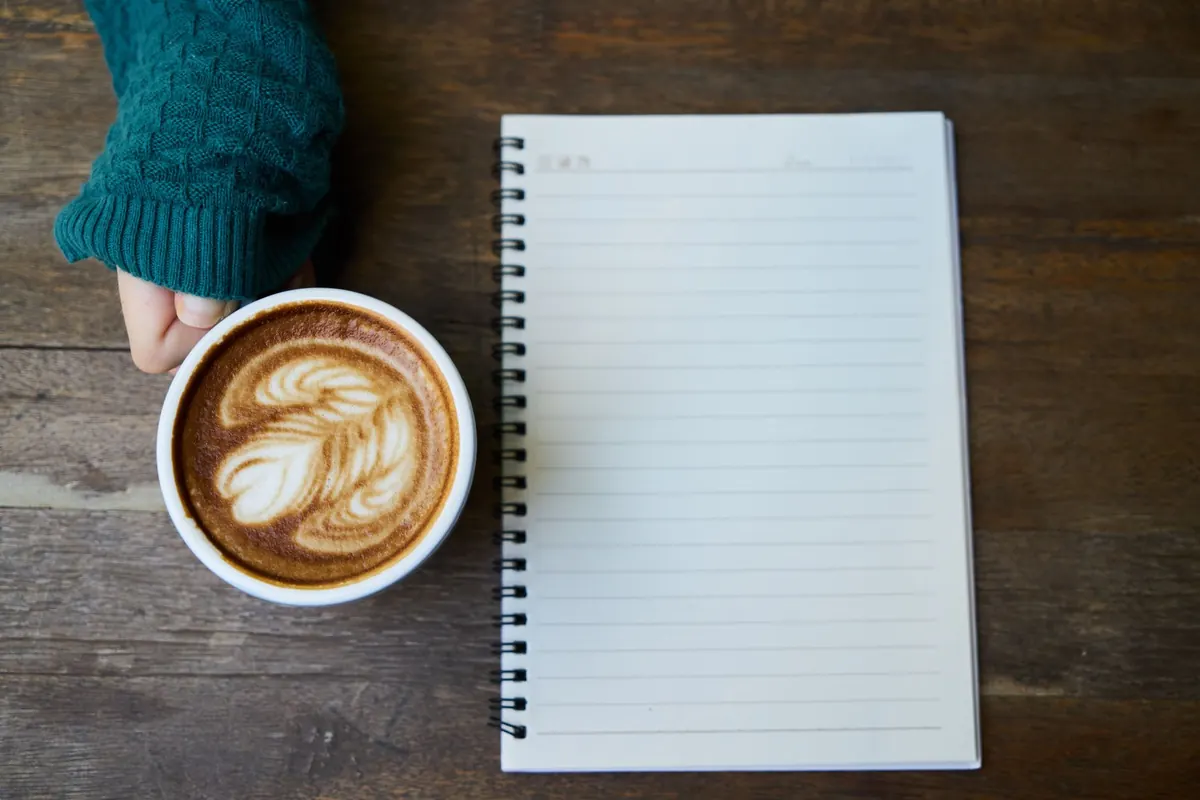
Photo: freephotocc / Pixabay